With every new technology, people often carry over familiar behaviours from the past. Whether it is texting like a conversation or sharing on social media as we once did through letters, old habits adapt to new mediums.
An example of this can be seen in how people consume music. Decades ago, vinyl records were the primary way people listened to music. As technology advanced, cassettes replaced vinyl, followed by CDs, and eventually, digital streaming platforms like Spotify took over.
We often carry over familiar behaviours from the past
While the medium changed, the habit of enjoying music stayed the same. In the past, people created mixtapes on cassettes to curate and share their favourite songs; today, the same practice continues in the form of digital playlists.
Foresight helps us understand this pattern: though technology evolves, core habits like music appreciation and sharing remain constant.
By recognising these patterns from the past, we can anticipate how emerging technologies will influence human behaviour and culture. This awareness allows us to adapt to the new technologies consciously, rather than letting old habits limit the potential of new tools.
How future technologies will influence human behaviour?
Technology brings out the best and worst in humanity
Technology brings out the best and worst in humanity
Technology extends our abilities but often comes at a hidden cost, either leading to the amputation of previous skills or certain aspects of life. For example, while smartphones enhance global communication, they diminish face-to-face interaction.
Smartphones extend our ability to connect globally.Smartphones also amputate our ability to engage in face-to-face communication.
With foresight, we can anticipate these trade-offs, revealing opportunities to innovate and fill the gaps left behind.
Identifying gap
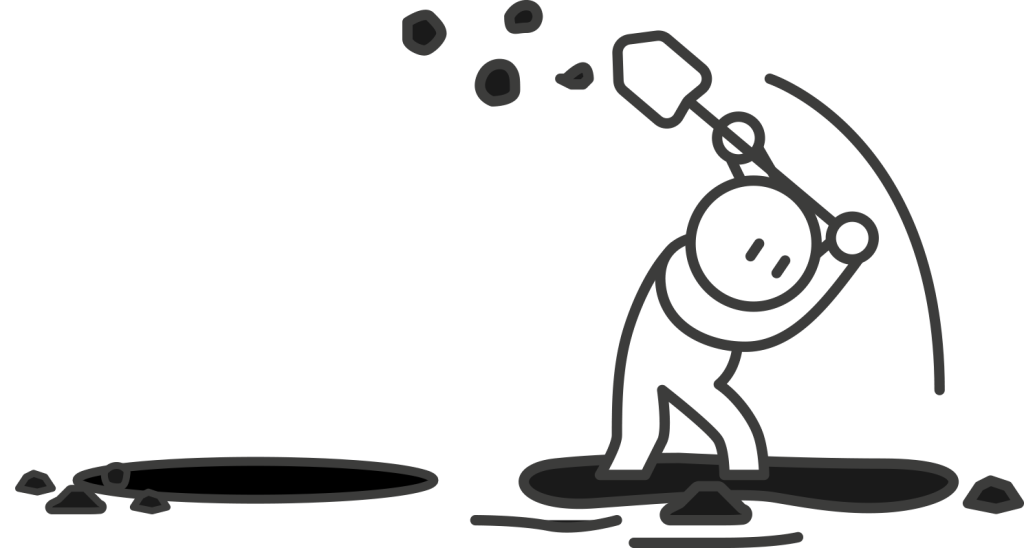
However, this process creates a vicious cycle: each solution fills one hole but digs another. As we address the amputations caused by one technology, we often create new challenges, leading to an endless loop of problem-solving.
A vicious cycle: each solution fills one hole but digs another
Understanding this cycle is key to navigating the complex relationship between progress and loss, helping us shape a future where technology truly benefits humanity.
Trend moves in herds
Trend moves in herd
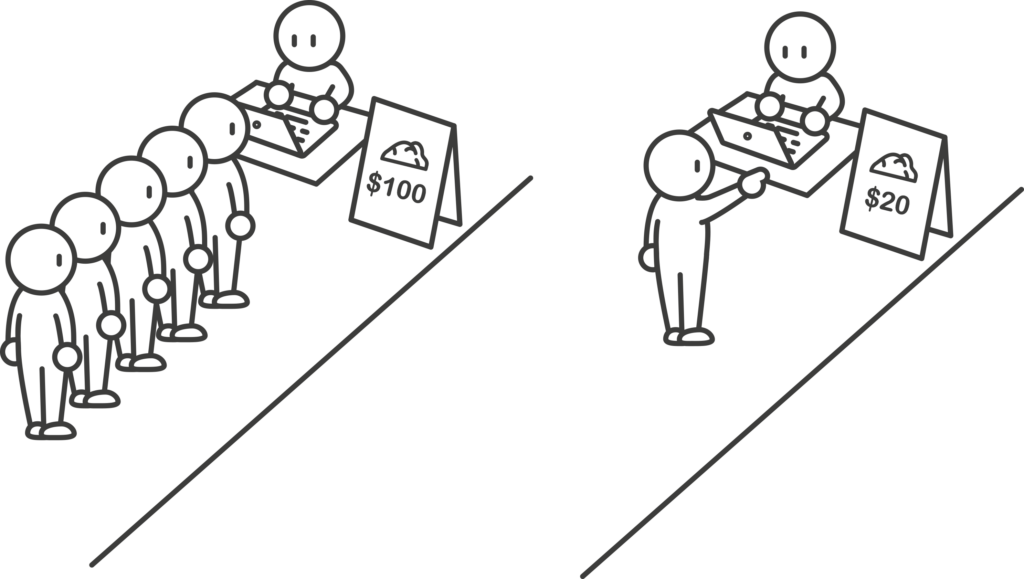
"Monkey see, monkey do," especially when it comes to greed and fear. These powerful emotions don’t just influence individuals—they move herd.
When greed takes hold, people rush to seize opportunities, driving trends forward. Fear, on the other hand, causes panic, leading to rapid shifts in behaviour. Understanding these emotions helps us to anticipate trends and predict outcomes as people follow the crowd.
By creating a sense of urgency or opportunity, one can manipulate the herd, crafting a future that aligns with specific interests.
Interestingly, trends can also be fabricated. By creating a sense of urgency or opportunity, one can manipulate the herd, crafting a future that aligns with specific interests.
In this way, human nature’s tendency to move in herd can be both a predictive tool and a powerful force for shaping outcomes.
The trend is your friend
The trend is your friend
When we think about the future, we are not just guessing—we are looking for clues in the present that hint at what is coming next. This process of spotting patterns or trends early on is like finding a map that guides us toward what the future might hold.
By paying attention to what happens repeatedly, we can start to see the direction in which things are moving, and this gives us the confidence to anticipate what might happen next.
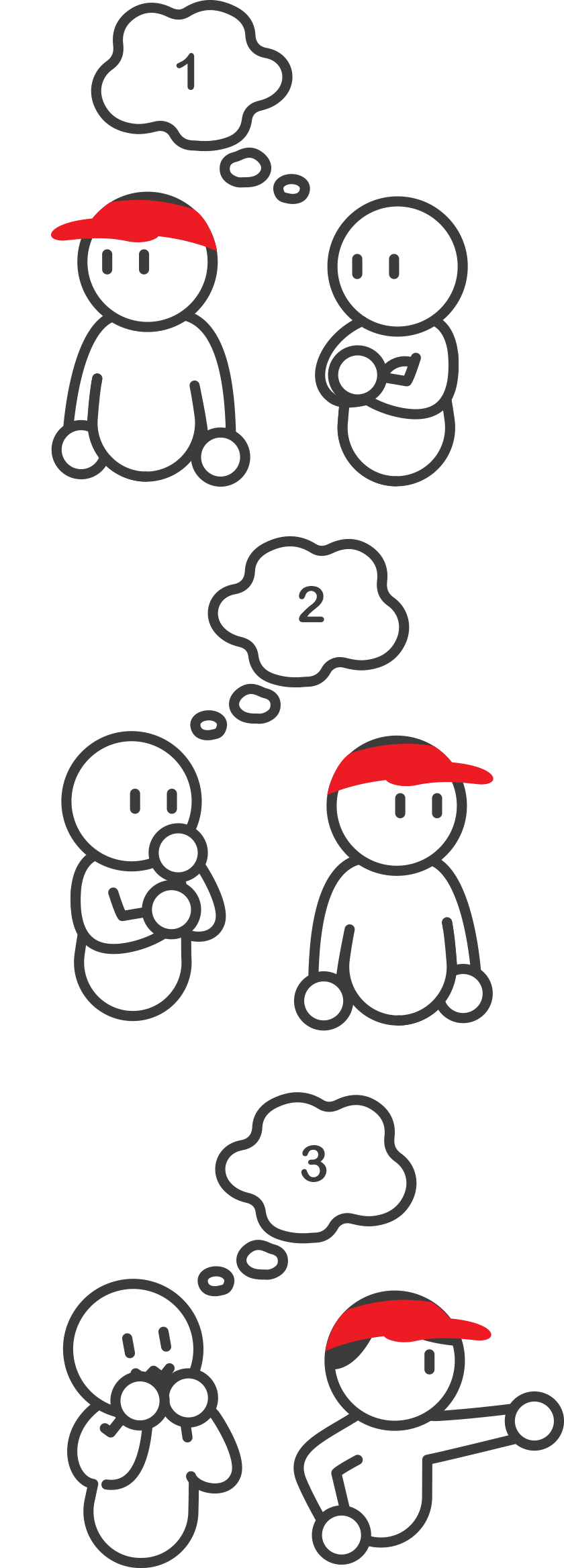
Trends are your friend in this journey. There is a saying: 'One is a random, two is a coincidence, three is a trend.'
This idea underscores the importance of recognising signal when isolated events begin to form a pattern. Once you spot that third occurrence, you are no longer dealing with chance—you are seeing a trend that can lead you forward.
These trends act like signposts along the road, pointing out opportunities that others might miss. By embracing trends, you are not only preparing for the future but also position yourself to take advantage of emerging opportunities.
Example - Lululemon:
"Whenever I saw something three times, I moved on it quickly.
So the yoga part of it was like this: I saw something on a telephonepost where you rip off a number, then I went to a yoga class, heard about it in a coffee shop, and read about it in the newspaper—all within a week. I had never known anything about yoga before, and then suddenly, it was everywhere. I thought, 'Oh my God, there's something here.'" — Chip Wilson, founder of Lululemon Athletica.
Chip Wilson explains in a video interview how he recognised that yoga was on the verge of becoming a major trend by observing signals that confirmed its growing popularity.
Example – Cuzen Matcha
Once you start recognising patterns, the next step is learning to see what’s missing within them — the untapped space where new opportunities can grow.
Eijiro Tsukada, a former Beam Suntory employee, experienced this firsthand. In 2015, during a trip to New York City, he noticed something strange: cafés were serving matcha lattes — something he had never seen in Japan, the birthplace of matcha itself.
When he returned to Japan, he urged his company to invest in the U.S. tea market and opened Stonemill Matcha Café. The project was later shelved for lack of scale, but Tsukada saw what others didn’t: while coffee lovers had espresso machines to grind and brew on demand, there was no equivalent for matcha.
So he created one. A device that made it easy for anyone to prepare fresh, authentic matcha anywhere. That invention became Cuzen Matcha, and it helped fuel the global matcha craze.
Tsukada’s story shows that recognising a trend is just the beginning. The real foresight lies in asking: “What’s still missing, and why hasn’t anyone filled it yet?”
Cuzen Matcha Maker Starter Kit, an Innovative At-home Matcha Machine that Produces Freshly Ground Matcha from Organic Shade-grown Japanese Tea Leaves
Is thinking about the future just guesswork?
Is thinking about the future just guesswork?
When we think about the future, it’s tempting to brush it off as just guesswork, fortune-telling, overthinking, or daydreaming. But futures thinking is way more than that. It's a creative and strategic process that can influence our course of actions and decisions in meaningful ways.
Let's explore the differences.
Daydreaming
Purpose
Creative imagination without structure
Approach
Unstructured, creative thinking
Outcome
Inspires ideas but lacks practicality
Intentionality
Often unintentional and free-flowing
Effectiveness
Can spark creativity but not strategic
Mindset
Relaxed, imaginative
Overthinking
Purpose
Dwelling on potential problems
Approach
Focused on hypothetical worries
Outcome
Excessive focus without resolution
Intentionality
Excessive focus without resolution
Effectiveness
Can hinder decision-making
Mindset
Anxious, overly cautious
Fortune Telling
Purpose
Mystical or supernatural predictions
Approach
Based on unverified predictions
Outcome
Often lacks real basis, not actionable
Intentionality
Typically speculative without evidence
Effectiveness
Typically low, lacks actionable results
Mindset
Mystical, speculative
Guesswork
Purpose
Random, uncalculated decisions
Approach
Based on chance or intuition
Outcome
Uncertain and unreliable outcomes
Intentionality
Unintentional or instinctual
Effectiveness
Low effectiveness due to lack of insight
Mindset
Reactive or instinctive
Future Thinking
Purpose
Strategic planning and preparation
Approach
Analytical, based on trends and data
Outcome
Informed predictions and actionable strategies
Intentionality
Purposeful, proactive
Effectiveness
Helps navigate uncertainty, creates resilience
Mindset
Visionary, strategic, anticipatory
Each type of thinking—whether it's guesswork, daydreaming, or future thinking—has its own flaws. Guesswork can lead to unreliable decisions, and daydreaming, while creative, often lacks practical application.
However, these approaches shouldn’t be dismissed entirely. By leaving no stone unturned, we can explore all possibilities, harnessing the strengths of each mindset.
The key is to remain objective and focused on our goals, ensuring that we use each type of thinking strategically. By doing so, we can make well-rounded, informed decisions that prepare us for whatever the future holds.