Belief as the future-maker
Belief as the Future-maker
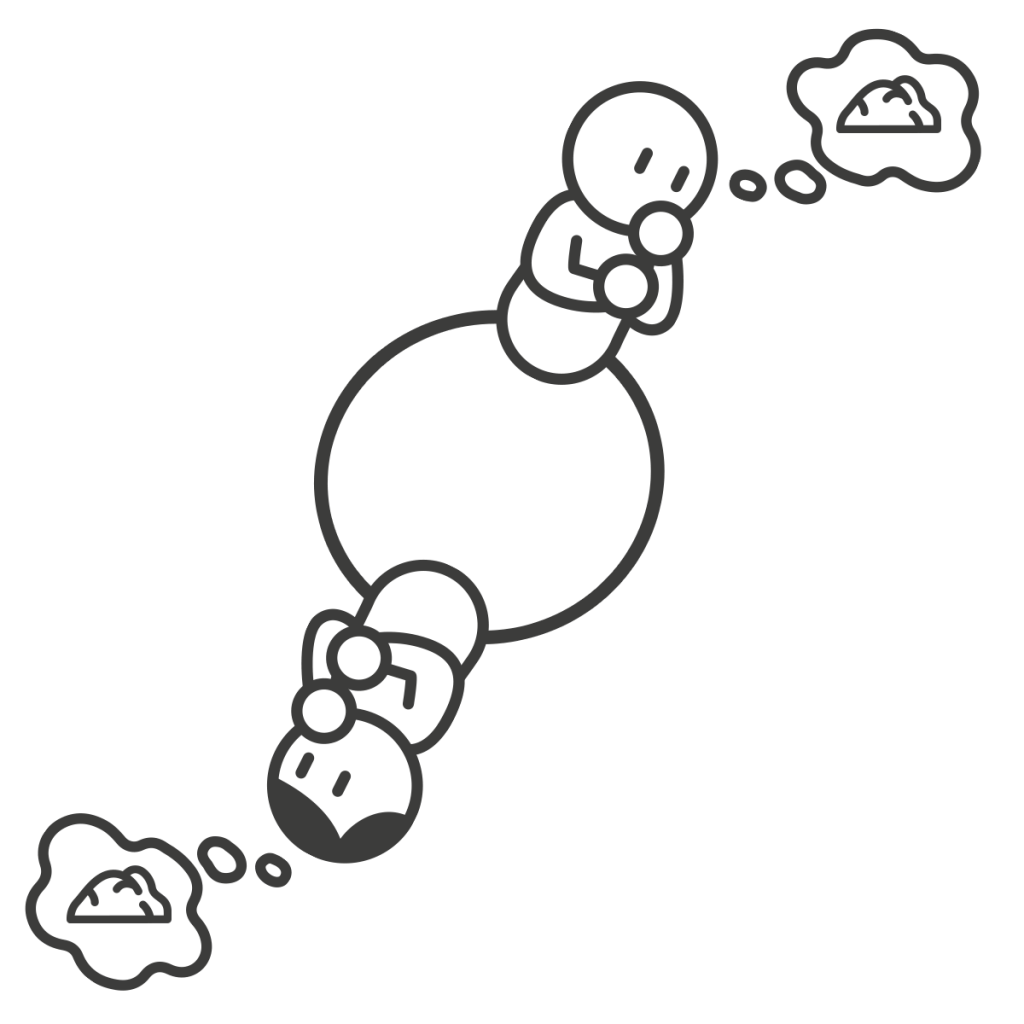
Belief plays a crucial role in shaping the future. When people believe in an idea, they form communities, push for adoption, and make things happen—even when the infrastructure isn’t ready.
A good example is Bitcoin. When Bitcoin first appeared, it didn’t have the infrastructure of a traditional currency. Yet, belief in the idea of decentralised money pushed it forward.

Belief Grows Networks
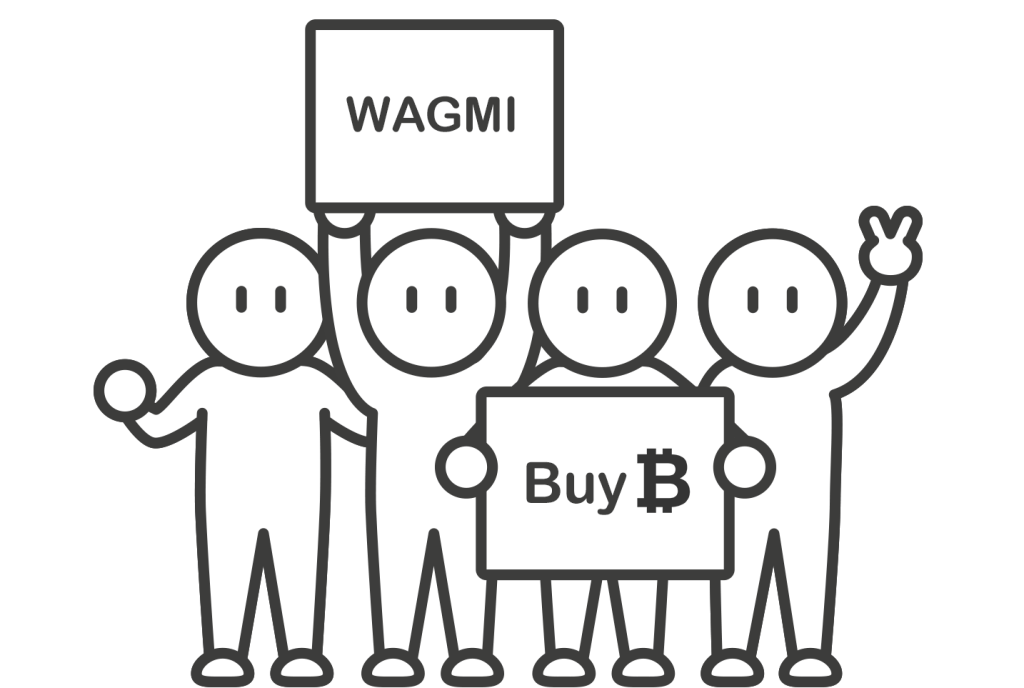
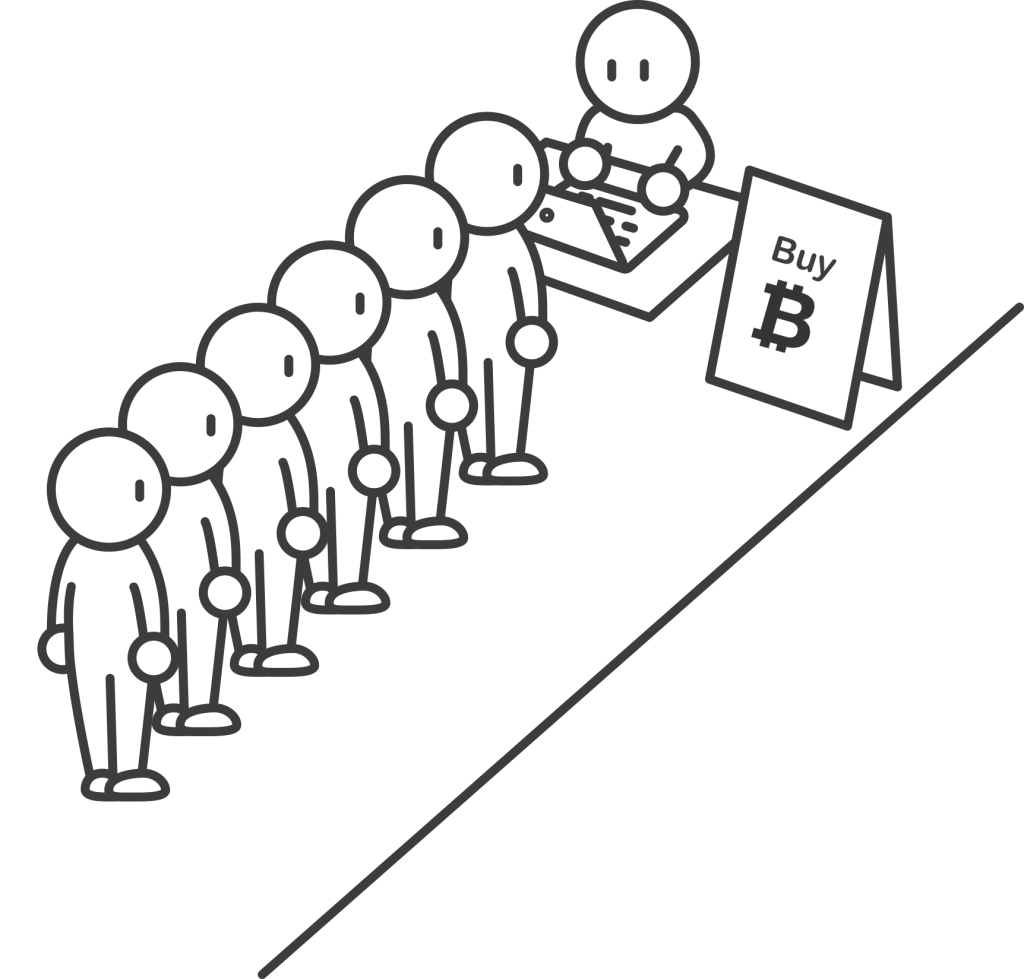
Belief brings people together, building communities and networks around an idea. In Bitcoin’s case, early adopters believed in a future without banks controlling money. That belief led to the creation of wallets, exchanges, and developer communities—turning a concept into a functioning global network.
Belief Push Adoption
When Tesla introduced its electric cars, the charging network was limited, battery technology was expensive, and infrastructure was lacking. Yet, early adopters believed electric vehicles were the future of transportation. That belief grew into a movement. Buyers supported Tesla even when range anxiety and slow charging were common issues.
Belief as the Future-Maker
When anticipating the future, belief serves as a fundamental catalyst. Whether it’s Bitcoin or electric vehicles, belief builds networks and drives ideas forward, even when the underlying systems are still evolving. It highlights that the future isn’t shaped solely by technology or policies but by the trust people place in new possibilities.
Belief isn’t just about waiting for things to work—it’s about building momentum until they do.
References and Notes
"How does it feel when a trend is coming in?
Usually, there’s a culture that builds around it. Like I mentioned before, when I got into finance, there was Wall Street with Gordon Gekko, books like Barbarians at the Gate, and all these famous moments happening. It became part of the culture, and that’s usually tells you it has now become a trend."
From a video interview of Raoul Pal, The Diary of a CEO