foreseeable Future: Solid trends
Solid trends, much like ice, are stable, predictable, and fixed in nature. These trends represent foreseeable changes that follow a consistent path, such as the aging process, technological advancements, or seasonal cycles.
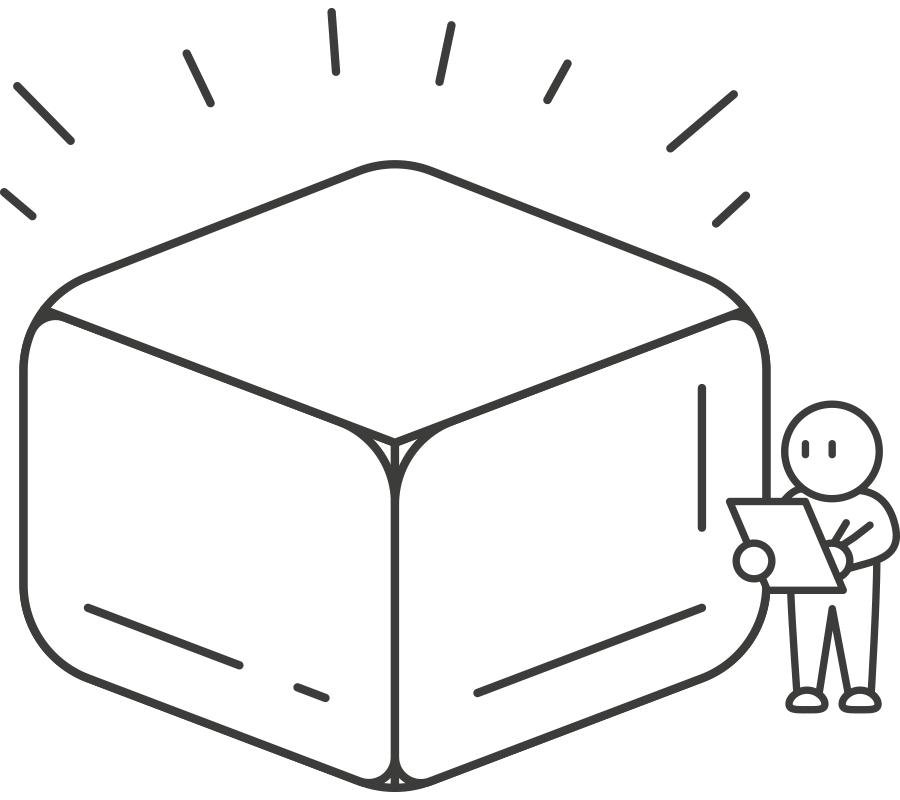
They are anchored in patterns that have repeated throughout time, making them relatively easy to forecast.
Due to their high level of certainty, solid trends provide a firm foundation for planning and decision-making, offering businesses, individuals and organisations the advantage of aligning long-term strategies with probable outcomes.
Solid trends can be further categorised into two types:
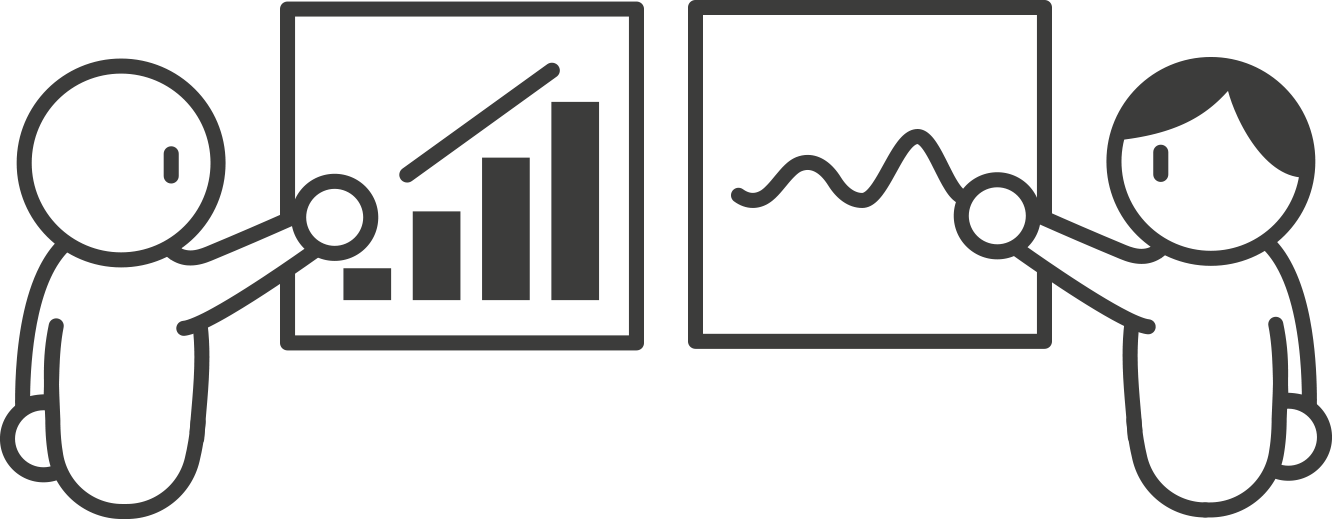
- Linear Solid Trends: These trends move in a single, forward direction, continuously progressing without deviation. An example would be population growth or the increasing demand for energy. These trends follow a steady trajectory that allows us to make future projections with confidence.
- Cyclical Solid Trends: These trends are repetitive and predictable, such as economic cycles, fashion trends, or seasonal weather patterns. Though they may fluctuate, they do so within an established rhythm, providing opportunities to anticipate their phases and adjust accordingly.
In both cases, solid trends are grounded in empirical evidence or fundamental laws of nature, making them difficult to shift. Yet, they can offer high probability outcomes, reducing uncertainty and enabling more calculated, proactive responses to change.
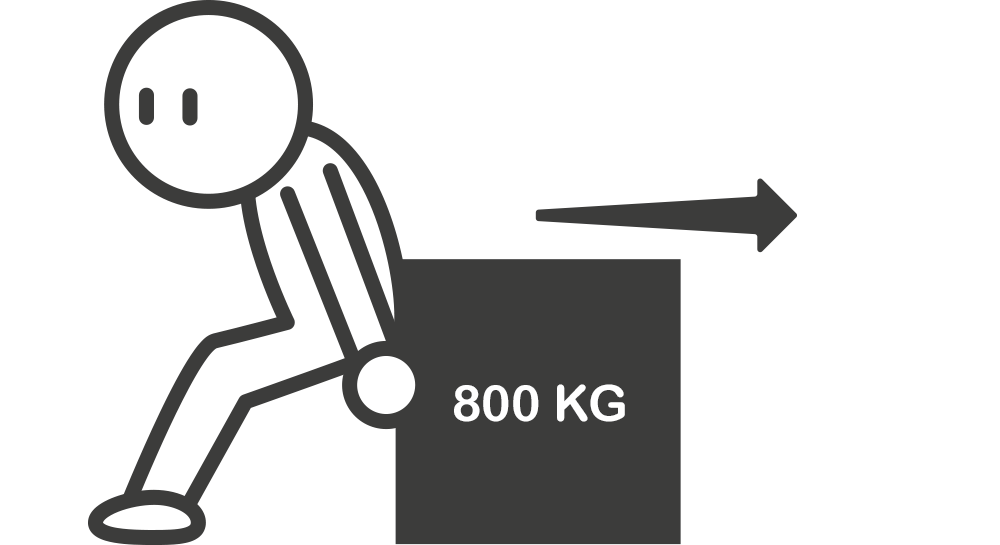
By understanding the nature of solid trends, businesses and individuals can gain a strategic edge by positioning themselves to adapt more effectively to the inevitable forces that is shaping the future.

Much like a surfer anticipating the next wave—predictable yet varied, requiring patience and perfect timing to catch.