Belief as the future-maker

Belief as the Future-maker

Belief plays a crucial role in shaping the future. When people believe in an idea, they form communities, push for adoption, and make things happen—even when the infrastructure isn’t ready.

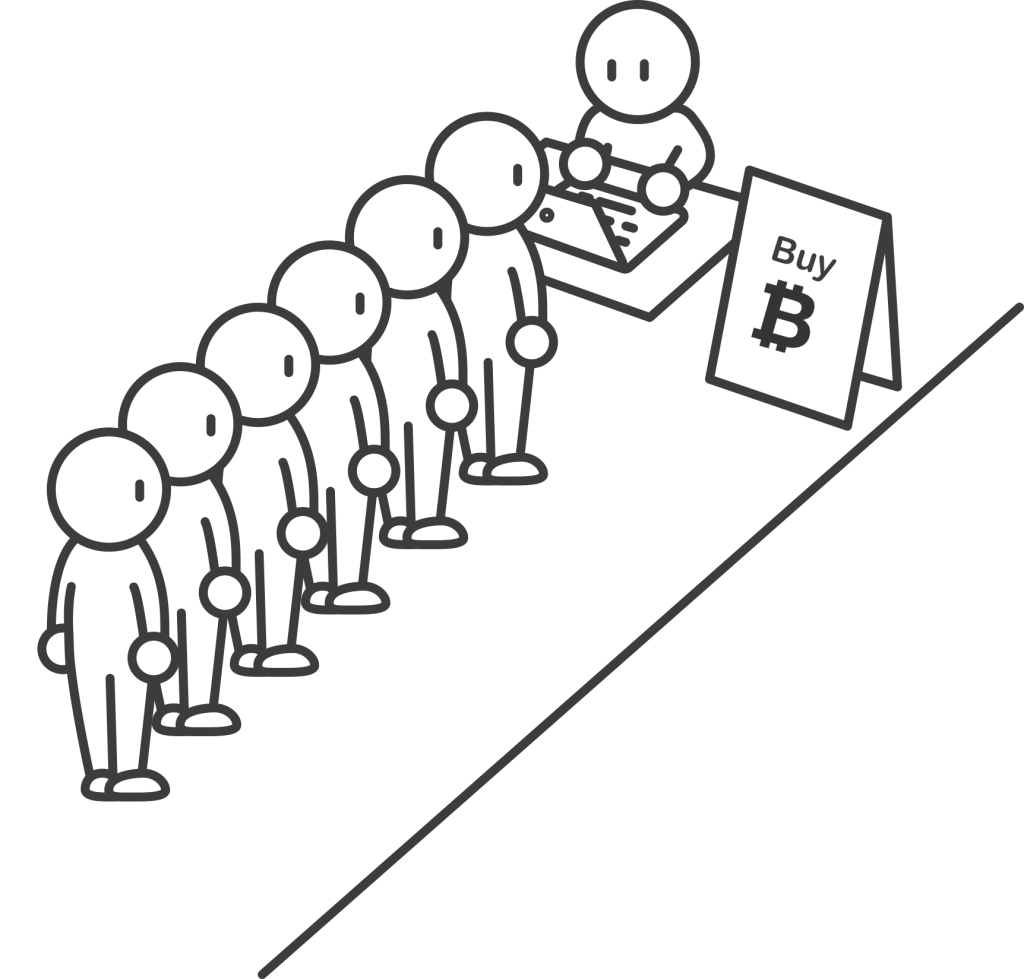
A good example is Bitcoin. When Bitcoin first appeared, it didn’t have the infrastructure of a traditional currency. Yet, belief in the idea of decentralised money pushed it forward.

Belief plays a crucial role in shaping the future

Belief Grows Networks

Belief brings people together, building communities and networks around an idea. In Bitcoin’s case, early adopters believed in a future without banks controlling money. That belief led to the creation of wallets, exchanges, and developer communities—turning a concept into a functioning global network.
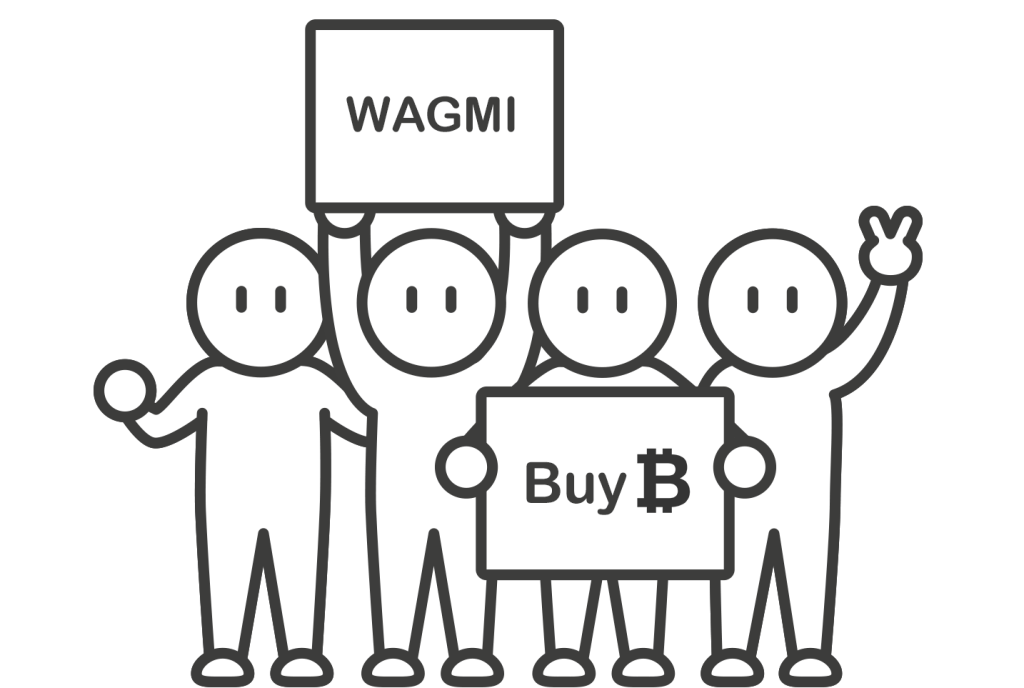
Belief brings people together

Belief Push Adoption

When Tesla introduced its electric cars, the charging network was limited, battery technology was expensive, and infrastructure was lacking. Yet, early adopters believed electric vehicles were the future of transportation. That belief grew into a movement. Buyers supported Tesla even when range anxiety and slow charging were common issues.
Belief can grew into a movement

Belief as the Future-Maker

When anticipating the future, belief serves as a fundamental catalyst. Whether it’s Bitcoin or electric vehicles, belief builds networks and drives ideas forward, even when the underlying systems are still evolving. It highlights that the future isn’t shaped solely by technology or policies but by the trust people place in new possibilities.

Belief isn’t just about waiting for things to work—it’s about building momentum until they do.

References and Notes

"How does it feel when a trend is coming in?

Usually, there’s a culture that builds around it. Like I mentioned before, when I got into finance, there was Wall Street with Gordon Gekko, books like Barbarians at the Gate, and all these famous moments happening. It became part of the culture, and that’s usually tells you it has now become a trend."

From a video interview of Raoul Pal, The Diary of a CEO

Low-Hanging Fruit: Simple Solutions Drive Change

Low-Hanging Fruit: Simple Solutions Drive Change

Identifying the “lowest hanging fruit” offers a practical way to anticipate how trends might unfold.

The simplest solutions—those that are easy to implement and integrate into existing infrastructure—are often quickly adopted across industries. As these ideas spread, they form liquid trends, driven by behaviour and momentum. If these trends continue to gain traction, they crystallise into solid trends that shape the future.

Examples of Low-Hanging Fruit Leading to Future Trends

  • QR Codes: Originally used for product marketing, they quickly became the backbone of contactless payments and touchless services during the COVID pandemic. By focusing on this easy implementation, businesses forecasted a future where seamless digital transactions would become the norm.
  • Wi-Fi as a Value Add: Initially offered in cafés to attract customers, Wi-Fi evolved into a necessary feature for co-working spaces and digital-first environments. This small step forecasted the possibility of remote work culture.
  • Loyalty Cards to Digital Rewards: Businesses adopted loyalty cards as a quick way to encourage repeat customers. As more companies digitised loyalty programs, it revealed a larger shift toward personalised, data-driven marketing.

Low-hanging fruit reveals more than just easy wins—it helps identify patterns of adoption. When multiple businesses act on the same idea, it signals that the trend has momentum. If this momentum sustains, it solidifies into a predictable outcome—what futures thinkers would call a foreseeable trend.

It is a practical, grounded way to engage with futures thinking, turning everyday observation into stepping stones toward understanding and influencing the future.

Turning everyday observation into stepping stones

Macro and Micro Trends: Case Studies

Macro and Micro Trends: Case studies

A macro trend is a large-scale, long-term shift that affects industries, societies, and economies. These trends evolve over years or even decades and have widespread impact.

A micro trend is a smaller, more localised shift that affects niche markets or specific communities. These trends can emerge and change relatively quickly compared to macro trends.

Here are some of the case studies:

Case Study: Online Learning

  • Micro Trend: Initially, online learning platforms were primarily used by tech-savvy individuals or those seeking niche skills outside traditional education systems.
  • Macro Trend: The COVID-19 pandemic and advances in digital education tools have propelled online learning into the mainstream, reshaping education systems globally as schools, universities, and businesses adopt digital platforms for a wider range of subjects and learners.

Case Study: Telemedicine

  • Micro Trend: Initially, telemedicine was used by a small segment of patients in rural areas or those with limited access to healthcare.
  • Macro Trend: As technology advanced and the COVID-19 pandemic highlighted the need for remote healthcare solutions, telemedicine became a key component of healthcare systems worldwide, providing easy access to medical consultations for millions of people.

Case Study: Remote Work

  • Micro Trend: In the beginning, remote work was primarily limited to freelancers, digital nomads, and select tech companies offering flexible work arrangements for a small portion of their workforce.
  • Macro Trend: With the onset of the COVID-19 pandemic and advancements in collaboration technologies, remote work has become a global norm, transforming traditional work cultures. Now, hybrid and fully remote work models are embraced across multiple industries, with businesses investing in digital infrastructure to support distributed teams worldwide.

Case Study: Ride-sharing Service

  • Micro Trend: Initially, the concept of car-sharing was met with resistance. People were uncomfortable with the idea of sharing a ride with strangers. Early efforts to promote car-sharing services faced cultural and personal barriers, as most individuals preferred the privacy and convenience of having their own ride.
  • Macro Trend: With advancements in mobile technology and the rise of apps like Uber and Lyft, car-sharing transformed into a mainstream transportation solution. These platforms provided a seamless and user-friendly experience for booking shared rides, allowing passengers to match with others heading in the same direction. The convenience, cost savings, and environmental benefits of sharing rides became attractive to a broader audience. As a result, the stigma around sharing a car with strangers faded, and shared ride options such as UberPOOL or Lyft Line became part of everyday urban life, reducing traffic congestion and carbon footprints globally.

These examples show how a micro trend in a niche market can grow into a macro trend that influences entire industries and societies over time.

Macro and Micro Trends: Global and Local Insights

Macro and Micro Trends: Global and Local Insights

In an increasingly complex and interconnected world, navigating the future requires a dual lens of both macro trends and micro trends. Macro trends provide the big picture while micro trends offer nuanced insights at the grassroots level.

Micro trends are frequently identified through direct interaction and observation at the grassroots level. They can emerge from:

Micro trends are like small pieces that contribute to a larger picture.
  • Conversations with Locals: Insights gained from talking to barbers, taxi drivers, or shop owners who interact with a diverse clientele.
Insights gathered from conversations with professionals who have direct interactions with customers.
  • Social Media and Search Trends: Analysing local search trends and social media discussions to detect shifts in interests.
  • Community Events: Observing participation and engagement in local events or grassroots movements.

Understanding micro trends enables stakeholders to:

  • Capture Emerging Markets: Businesses can tap into new consumer demands before competitors.
  • Enhance Cultural Relevance: Marketers can tailor messages that resonate with local values and experiences.
  • Inform Rapid Response: Governments and organisations can address immediate community needs or concerns.

Macro trends are typically identified through data collected by institutions such as government agencies, research institutions, and global corporations.

These entities compile extensive datasets on economic indicators, population statistics, environmental metrics, and technological developments.

Example, economic reports from International Monetary Fund (IMF) , demographic studies from United Nations population projections and technological forecasts from institutions like the Massachusetts Institute of Technology (MIT)

Macro trends provide the big picture

Recognising macro trends allows stakeholders to:

  • Strategise Long-Term Planning: Businesses can align their investments with anticipated global shifts.
  • Inform Policy Making: Governments can craft policies that address future challenges like aging populations or climate change.
  • Drive Innovation: Understanding technological trends can inspire new products and services that meet emerging needs.

Recognising the difference between macro and micro trends enhances our ability to foresee probable future developments. Enabling us to blend both perspectives to form a well-rounded view of potential outcomes.

Balancing both perspectives and shape a well-rounded view

Speculative Future: Vapour trends

Speculative FutureS: Vapour trends

If solid trends are foreseeable trends and liquid trends are malleable trends, then vapour trends can be best described as speculative trends.

Vapour trends are subtle and often hard to detect, typically existing in a nascent form before they either gain momentum and become more concrete (like liquid trends) or fade away without making a lasting impact. These trends represent early-stage developments, full of potential but not yet established.

Vapour trends are subtle and often hard to detect

Vapour trends frequently arise from niche ideas, experimental technologies, or cultural movements that have not yet gained widespread traction. They are speculative by nature, which makes them difficult to predict with certainty. However, under the right conditions, vapour trends can evolve into powerful forces that significantly influence industries or societies.


Examples of Vapour Trends

The Early Days of Cryptocurrency:
When Bitcoin first emerged in 2009, it was a classic example of a vapour trend. The concept of decentralised digital currency was niche and highly speculative, with few people taking it seriously. Early adopters recognised its potential, but to the broader public and financial experts, Bitcoin seemed like a passing fad that would soon evaporate

As we now know, cryptocurrency moved from vapour to liquid and has even solidified in some areas as a legitimate asset class. Bitcoin and other cryptocurrencies have become significant players in finance, with blockchain technology driving innovation across multiple industries. What was once speculative is now a cornerstone in the financial world.


What makes vapour trends both exciting and challenging is their transient nature. These trends are difficult to quantify or predict because they haven't yet reached critical mass. Vapour trends sit at the intersection of innovation and speculation, where new ideas are being tested but haven’t proven their staying power.

  • Visibility: Vapour trends often emerge within niche communities or industries and are not immediately visible to the general public. Early adopters and keen observers are typically the first to recognise them.
  • Uncertainty: Unlike solid trends, which are almost guaranteed to happen, or liquid trends, which are adaptable yet still follow a recognisable pattern, vapour trends come with a high degree of uncertainty. They may never materialise into anything substantial.

The Transition from Vapour to Liquid

A vapour trend transitions into a liquid trend when it starts to gain momentum and traction.

When vapour trend become liquid trend

A good example of this is the early stages of remote work before the COVID-19 pandemic. At the time, remote work was considered a vapour trend, practiced by a small, niche group of companies. It hadn’t yet reached mainstream acceptance.

However, when external forces like the pandemic acted as a catalyst, remote work quickly transitioned into a liquid trend, adopted globally by businesses of all sizes. This shift illustrates how vapour trends require the right timing and external conditions to evolve into something more concrete.

Without such catalysts—whether technological, social, or economic—vapour trends may evaporate, never fully realising their potential. But when the conditions align, these speculative trends can condense into powerful movements, reshaping industries and even societies.

Speculative trends can condense into powerful movements that reach mainstream acceptance.

For businesses, entrepreneurs, and individuals aiming to stay ahead of the curve, recognising vapour trends early can offer a competitive advantage. Spotting these trends requires keen observation and a willingness to take calculated risks. While it is impossible to predict with certainty which vapour trends will evolve into more established movements, being aware of emerging ideas and niche developments helps organisations remain flexible and ready to adapt to new opportunities.

Malleable Future: Liquid trends

malleable Future: Liquid trends

Solid trends, while stable and predictable, can sometimes transform into liquid trends when certain conditions are right.

Liquid trends, in contrast to solid trends, are less certain and more dynamic, often driven by human behaviour, societal changes, or external forces. These trends are not as fixed or reliable, making them more susceptible to shifts in direction based on evolving circumstances.

A malleable trend is similar to throwing a pebble into water, where trends can be shaped by small actions or changes, leading to broader impacts over time.

A liquid trend is similar to throwing a pebble into water, where you can influence the current and create a ripple effect. Just as the pebble causes waves to spread outward and alter the water’s surface, liquid trends can be shaped by small actions or changes, leading to broader impacts over time. These trends are sensitive to external inputs, allowing individuals or organisations to influence their direction and effect.

One prime example of this shift is the traditional Monday-to-Friday, 9-to-5 workweek.

Traditional office-based work

For decades, this was a solid trend, deeply ingrained in workplace culture across the globe. The structure of office-based work was predictable and followed a steady, linear trajectory, with most employees working in physical offices.

However, when the COVID-19 pandemic hit, the solid trend of office-based work began to melt into a more fluid state, and remote work emerged as a strong alternative. What was once a fixed, predictable trend of commuting and working in person became a liquid trend driven by the need for flexibility, technology, and public health concerns.

Companies are still experimenting with hybrid models

At first glance, remote work might seem like it is becoming a foreseeable future - new solid trend. However, it is still in a liquid phase because its future trajectory depends on multiple external factors, such as technological infrastructure, corporate policies, and societal acceptance.

Remote work is not yet fully solidified, as companies are still experimenting with hybrid models, and it is uncertain whether this trend will become permanent or revert to more traditional structures as external conditions change.

This illustrates how a once-solid trend can transform into a liquid trend. Although liquid trends are malleable, they still exhibit some degree of consistency that can be anticipated and acted upon, though with less certainty. This require constant attention and adjustment, as they can be influenced by choices, innovations, or sudden changes in the environment.

Foreseeable future: Solid trends

foreseeable Future: Solid trends

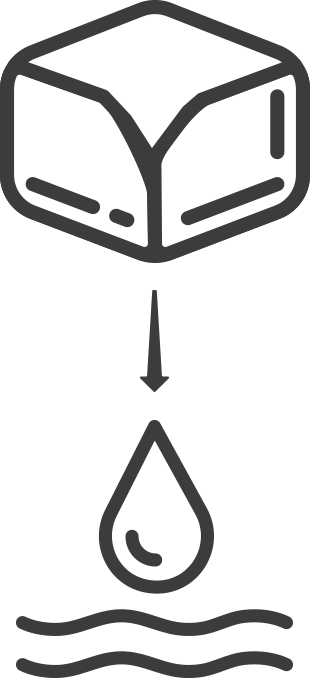
Solid trends, much like ice, are stable, predictable, and fixed in nature. These trends represent foreseeable changes that follow a consistent path, such as the aging process, technological advancements, or seasonal cycles.

They are anchored in patterns that have repeated throughout time, making them relatively easy to forecast.

Due to their high level of certainty, solid trends provide a firm foundation for planning and decision-making, offering businesses, individuals and organisations the advantage of aligning long-term strategies with probable outcomes.

Solid trends can be further categorised into two types:

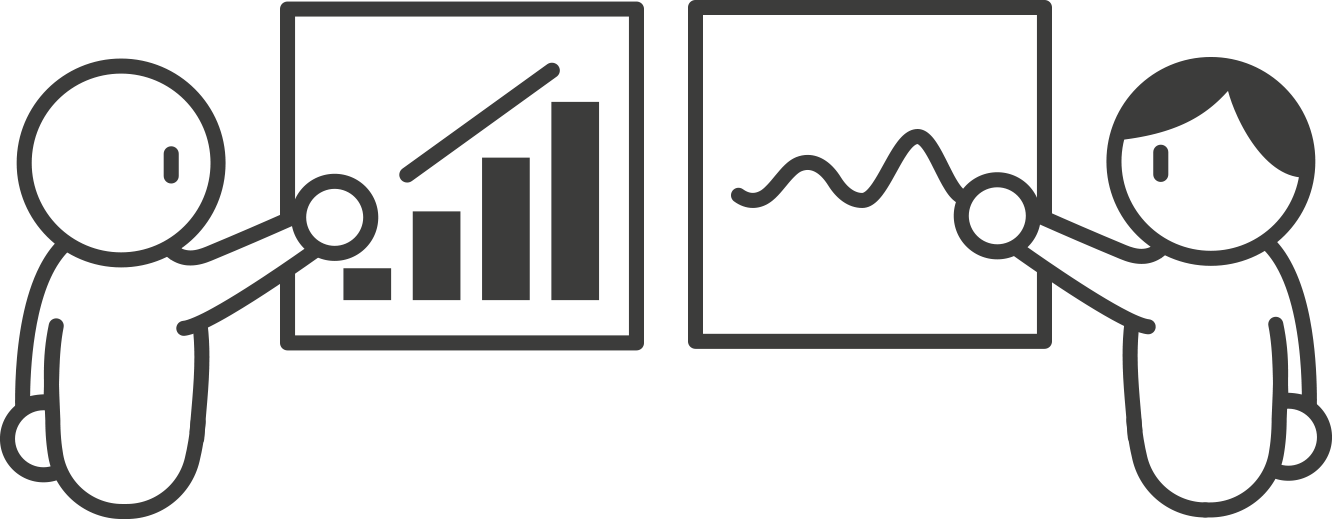
Linear solid trends vs Cyclical solid trends
  • Linear Solid Trends: These trends move in a single, forward direction, continuously progressing without deviation. An example would be population growth or the increasing demand for energy. These trends follow a steady trajectory that allows us to make future projections with confidence.
  • Cyclical Solid Trends: These trends are repetitive and predictable, such as economic cycles, fashion trends, or seasonal weather patterns. Though they may fluctuate, they do so within an established rhythm, providing opportunities to anticipate their phases and adjust accordingly.

In both cases, solid trends are grounded in empirical evidence or fundamental laws of nature, making them difficult to shift. Yet, they can offer high probability outcomes, reducing uncertainty and enabling more calculated, proactive responses to change.

Altering a solid trend is challenging because it is driven by forces that are difficult to shift.

By understanding the nature of solid trends, businesses and individuals can gain a strategic edge by positioning themselves to adapt more effectively to the inevitable forces that is shaping the future.

Much like a surfer anticipating the next wave—predictable yet varied, requiring patience and perfect timing to catch.

Different states of trends: solid, liquid, and vapour

Different states of trends: solid, liquid, and vapour

Trends, like water, exist in different states: solid, liquid, and vapour. These states reflect varying levels of predictability and adaptability, with transitions between them occurring when conditions are right.

Solid Trends

Solid trends are fixed and predictable, like ice. They represent inevitable changes, such as aging or seasonal cycles, that are hard to shift. These trends offer high probability, making it easier to plan around them.

Liquid Trends

Liquid trends, like water, are adaptable and primarily driven by human nature. People act as the agents of change, influencing the direction of these trends. While liquid trends can shift, they are controllable—human action can guide them. Examples include shifts in consumer behaviour or cultural movements that are shaped by collective human influence.

Vapour Trends

Vapour trends are difficult to notice initially, not because they are entirely invisible, but because they often appear mundane or insignificant, much like mist forming in the air. These trends might seem ordinary or unremarkable at first, but under the right conditions, they can condense into liquid trends and grow into significant movements—such as a niche subculture becoming mainstream. However, they can evaporate just as easily, fading away like a passing fad without lasting impact.

Changing States: Evolving Trends
Trends, like water, can evolve from one state to another—vapour can condense into liquid, and liquid can solidify into ice. Similarly, trends can transition from possible to probable as conditions change.

  • Vapour trends, initially elusive, may seem insignificant. However, when the right conditions—such as technological breakthroughs or social acceptance—are met, they can condense into liquid trends, becoming influential and controllable. Being aware of these emerging trends allows us to catch them early, before they fully form, giving us the opportunity to influence their direction or capitalise on them.
  • Liquid trends, though adaptable, may solidify into solid trends when enough momentum or stability is reached. Planning for this transition allows businesses and individuals to position themselves strategically, benefiting from the predictability of these now-established movements.

By observing how trends evolve, you can adapt faster and gain an early advantage over those who only respond after the trend is fully developed.

We are all thinking of the same problem

We are all thinking of the same problem

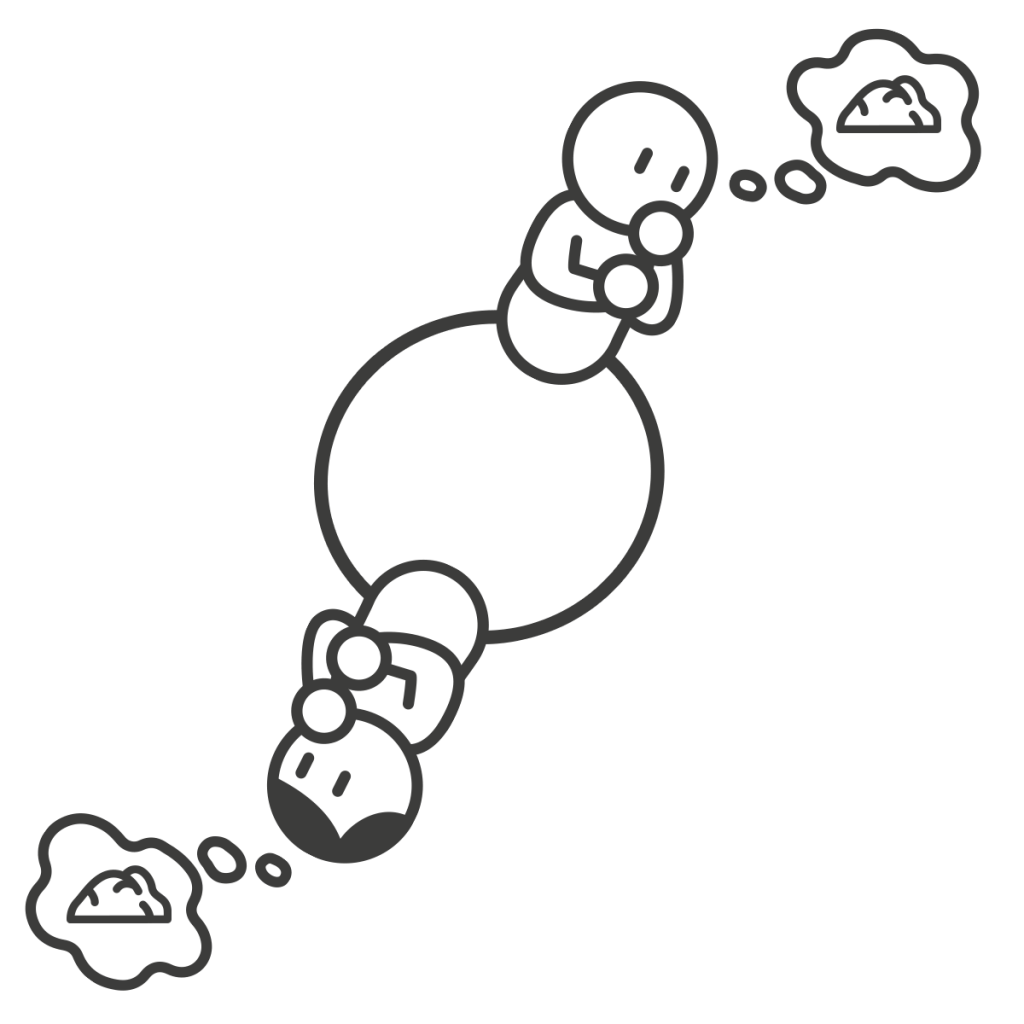
Multiple discovery refers to the phenomenon where multiple individuals or groups independently arrive at the same idea or solution around the same time.

Multiple discovery or simultaneous invention

This often occurs because people across the world are exposed to similar challenges. As society evolves and faces global issues, individuals and organisations begin thinking along the same lines. Whether it is driven by technological advancements, economic shifts, or social changes, the right timing and conditions make it likely that different parties will reach similar solutions through a shared perspective.

By understanding the concept of multiple discovery, we can anticipate future challenges and align ourselves with the motivation that drive innovation. This allows us to not only foresee potential problems but also recognise the collective solutions others may be working toward.

For anticipatory leaders, it serves as a useful reminder to identify early signals, seize opportunities, and take action before these ideas become mainstream.

“It’s not uncommon for the idea to find its voice through another maker. This isn’t because the other artist stole your idea, but because the idea’s time has come.” - Rick Robin, The Creative Act: A Way of Being

Make the most of an early advantage because you never know when someone else might beat you to it.

New medium, old habits

new medium, old habits: Human behaviour

With every new technology, people often carry over familiar behaviours from the past. Whether it is texting like a conversation or sharing on social media as we once did through letters, old habits adapt to new mediums.

An example of this can be seen in how people consume music. Decades ago, vinyl records were the primary way people listened to music. As technology advanced, cassettes replaced vinyl, followed by CDs, and eventually, digital streaming platforms like Spotify took over.

We often carry over familiar behaviours from the past

While the medium changed, the habit of enjoying music stayed the same. In the past, people created mixtapes on cassettes to curate and share their favourite songs; today, the same practice continues in the form of digital playlists.

Foresight helps us understand this pattern: though technology evolves, core habits like music appreciation and sharing remain constant.

By recognising these patterns from the past, we can anticipate how emerging technologies will influence human behaviour and culture. This awareness allows us to adapt to the new technologies consciously, rather than letting old habits limit the potential of new tools.

How future technologies will influence human behaviour?

Technology brings out the best and worst in humanity

Technology brings out the best and worst in humanity

Technology extends our abilities but often comes at a hidden cost, either leading to the amputation of previous skills or certain aspects of life. For example, while smartphones enhance global communication, they diminish face-to-face interaction.

Smartphones extend our ability to connect globally.
Smartphones also amputate our ability to engage in face-to-face communication.

With foresight, we can anticipate these trade-offs, revealing opportunities to innovate and fill the gaps left behind.

Identifying gap

However, this process creates a vicious cycle: each solution fills one hole but digs another. As we address the amputations caused by one technology, we often create new challenges, leading to an endless loop of problem-solving.

A vicious cycle: each solution fills one hole but digs another

Understanding this cycle is key to navigating the complex relationship between progress and loss, helping us shape a future where technology truly benefits humanity.

Trend moves in herds

Trend moves in herd

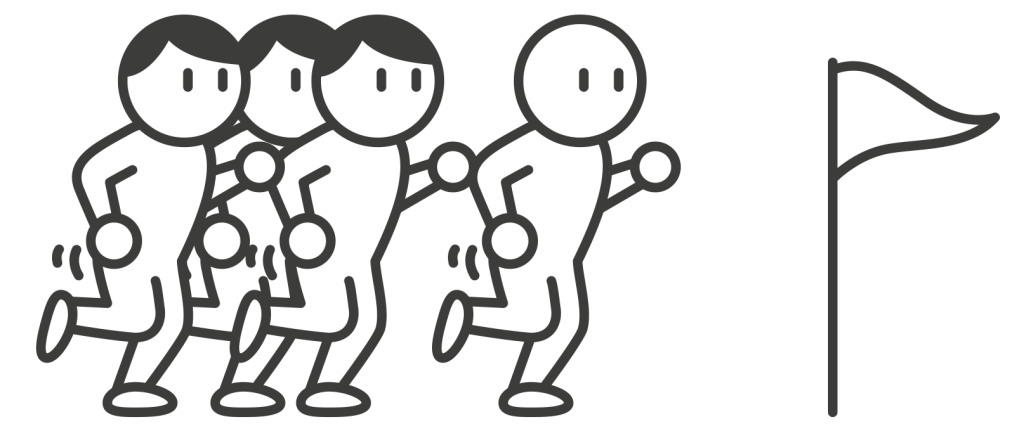
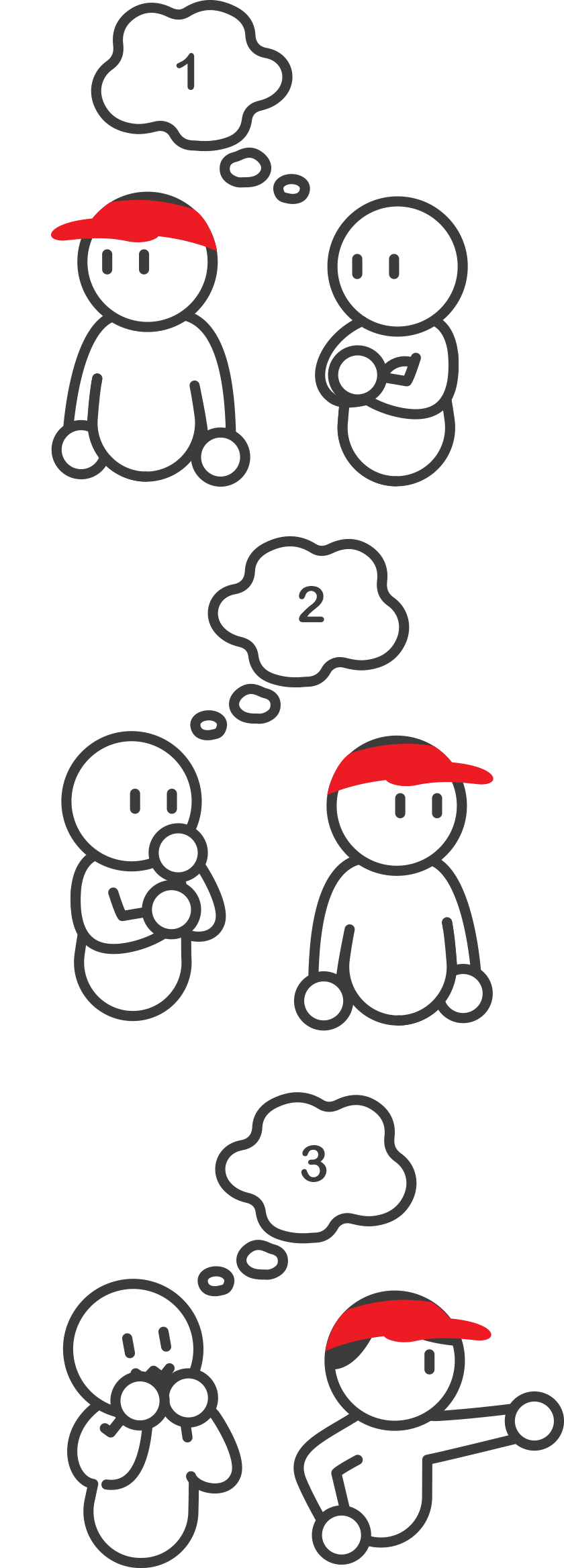
"Monkey see, monkey do," especially when it comes to greed and fear. These powerful emotions don’t just influence individuals—they move herd.

When greed takes hold, people rush to seize opportunities, driving trends forward. Fear, on the other hand, causes panic, leading to rapid shifts in behaviour. Understanding these emotions helps us to anticipate trends and predict outcomes as people follow the crowd.

By creating a sense of urgency or opportunity, one can manipulate the herd, crafting a future that aligns with specific interests.

Interestingly, trends can also be fabricated. By creating a sense of urgency or opportunity, one can manipulate the herd, crafting a future that aligns with specific interests.

In this way, human nature’s tendency to move in herd can be both a predictive tool and a powerful force for shaping outcomes.

The trend is your friend

The trend is your friend

When we think about the future, we are not just guessing—we are looking for clues in the present that hint at what is coming next. This process of spotting patterns or trends early on is like finding a map that guides us toward what the future might hold.

By paying attention to what happens repeatedly, we can start to see the direction in which things are moving, and this gives us the confidence to anticipate what might happen next.

Trends are your friend in this journey. There is a saying: 'One is a random, two is a coincidence, three is a trend.'

This idea underscores the importance of recognising signal when isolated events begin to form a pattern. Once you spot that third occurrence, you are no longer dealing with chance—you are seeing a trend that can lead you forward.

These trends act like signposts along the road, pointing out opportunities that others might miss. By embracing trends, you are not only preparing for the future but also position yourself to take advantage of emerging opportunities.

Example - Lululemon:

"Whenever I saw something three times, I moved on it quickly.

So the yoga part of it was like this: I saw something on a telephone post where you rip off a number, then I went to a yoga class, heard about it in a coffee shop, and read about it in the newspaper—all within a week. I had never known anything about yoga before, and then suddenly, it was everywhere. I thought, 'Oh my God, there's something here.'" — Chip Wilson, founder of Lululemon Athletica.

Chip Wilson explains in a video interview how he recognised that yoga was on the verge of becoming a major trend by observing signals that confirmed its growing popularity.

Example – Cuzen Matcha

Once you start recognising patterns, the next step is learning to see what’s missing within them — the untapped space where new opportunities can grow.

Eijiro Tsukada, a former Beam Suntory employee, experienced this firsthand. In 2015, during a trip to New York City, he noticed something strange: cafés were serving matcha lattes — something he had never seen in Japan, the birthplace of matcha itself.

When he returned to Japan, he urged his company to invest in the U.S. tea market and opened Stonemill Matcha Café. The project was later shelved for lack of scale, but Tsukada saw what others didn’t: while coffee lovers had espresso machines to grind and brew on demand, there was no equivalent for matcha.

So he created one. A device that made it easy for anyone to prepare fresh, authentic matcha anywhere. That invention became Cuzen Matcha, and it helped fuel the global matcha craze.

Tsukada’s story shows that recognising a trend is just the beginning. The real foresight lies in asking: “What’s still missing, and why hasn’t anyone filled it yet?”

Source : The Matcha Craze: How It Started

Cuzen Matcha Maker Starter Kit, an Innovative At-home Matcha Machine that Produces Freshly Ground Matcha from Organic Shade-grown Japanese Tea Leaves

Is thinking about the future just guesswork?

Is thinking about the future just guesswork?

When we think about the future, it’s tempting to brush it off as just guesswork, fortune-telling, overthinking, or daydreaming. But futures thinking is way more than that. It's a creative and strategic process that can influence our course of actions and decisions in meaningful ways.


Let's explore the differences.

Daydreaming

PurposeCreative imagination without structure
ApproachUnstructured, creative thinking
OutcomeInspires ideas but lacks practicality
IntentionalityOften unintentional and free-flowing
EffectivenessCan spark creativity but not strategic
Mindset Relaxed, imaginative

Overthinking

PurposeDwelling on potential problems
ApproachFocused on hypothetical worries
OutcomeExcessive focus without resolution
IntentionalityExcessive focus without resolution
EffectivenessCan hinder decision-making
Mindset Anxious, overly cautious

Fortune Telling

PurposeMystical or supernatural predictions
ApproachBased on unverified predictions
OutcomeOften lacks real basis, not actionable
IntentionalityTypically speculative without evidence
EffectivenessTypically low, lacks actionable results
Mindset Mystical, speculative

Guesswork

PurposeRandom, uncalculated decisions
ApproachBased on chance or intuition
OutcomeUncertain and unreliable outcomes
IntentionalityUnintentional or instinctual
EffectivenessLow effectiveness due to lack of insight
Mindset Reactive or instinctive

Future Thinking

PurposeStrategic planning and preparation
ApproachAnalytical, based on trends and data
OutcomeInformed predictions and actionable strategies
IntentionalityPurposeful, proactive
EffectivenessHelps navigate uncertainty, creates resilience
Mindset Visionary, strategic, anticipatory

Each type of thinking—whether it's guesswork, daydreaming, or future thinking—has its own flaws. Guesswork can lead to unreliable decisions, and daydreaming, while creative, often lacks practical application.

However, these approaches shouldn’t be dismissed entirely. By leaving no stone unturned, we can explore all possibilities, harnessing the strengths of each mindset.

The key is to remain objective and focused on our goals, ensuring that we use each type of thinking strategically. By doing so, we can make well-rounded, informed decisions that prepare us for whatever the future holds.

Who is thinking about the future?

Who is thinking about the future?

Many of us might already be thinking about the future without realising it.

Children

What do I want to be when I grow up?

Salaryman

Will my job still be relevant in the next 10 years?

Family

Which brand of fridge will meet our family's needs for the next few years?

CEO
What new technologies will maintain our market leadership in the next decade?

Everyone is thinking about the future.

This is where futures thinking comes in as a valuable tool for everyone, regardless of age or occupation. It helps you to anticipate future challenges and identify opportunities that allow you to face the uncertainty with confidence.